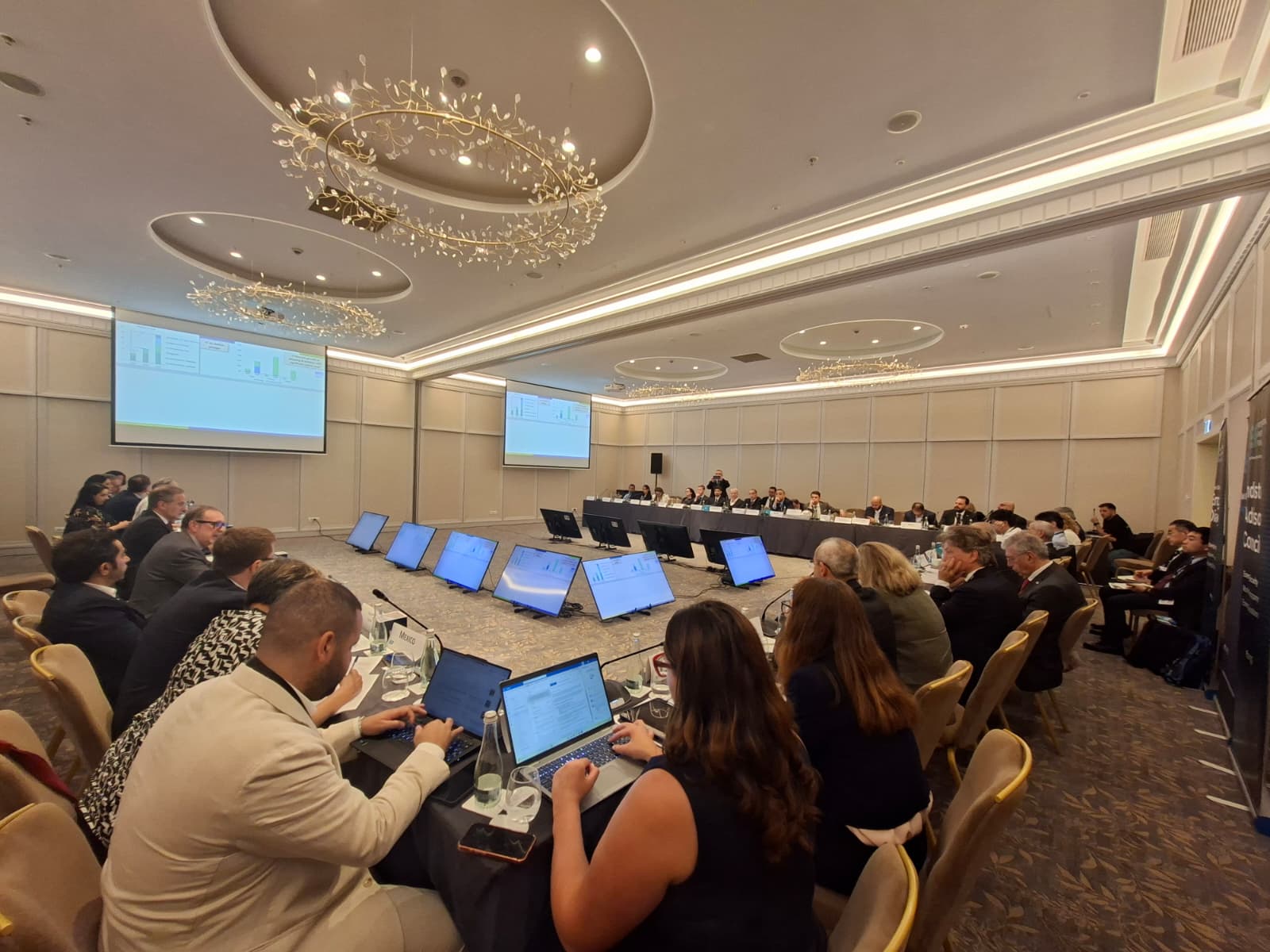
The event brought together experts from industry, academia, and policy, fostering a dynamic exchange of perspectives.
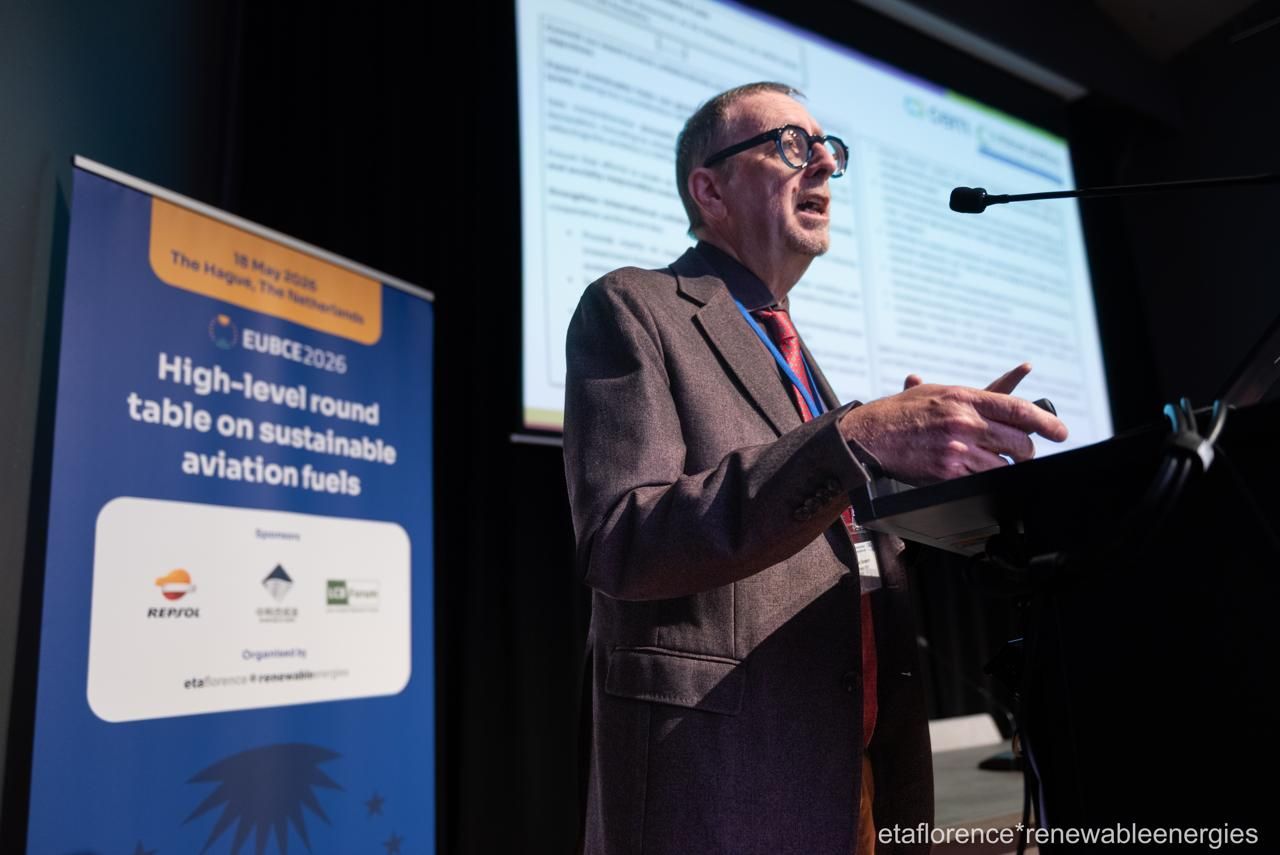
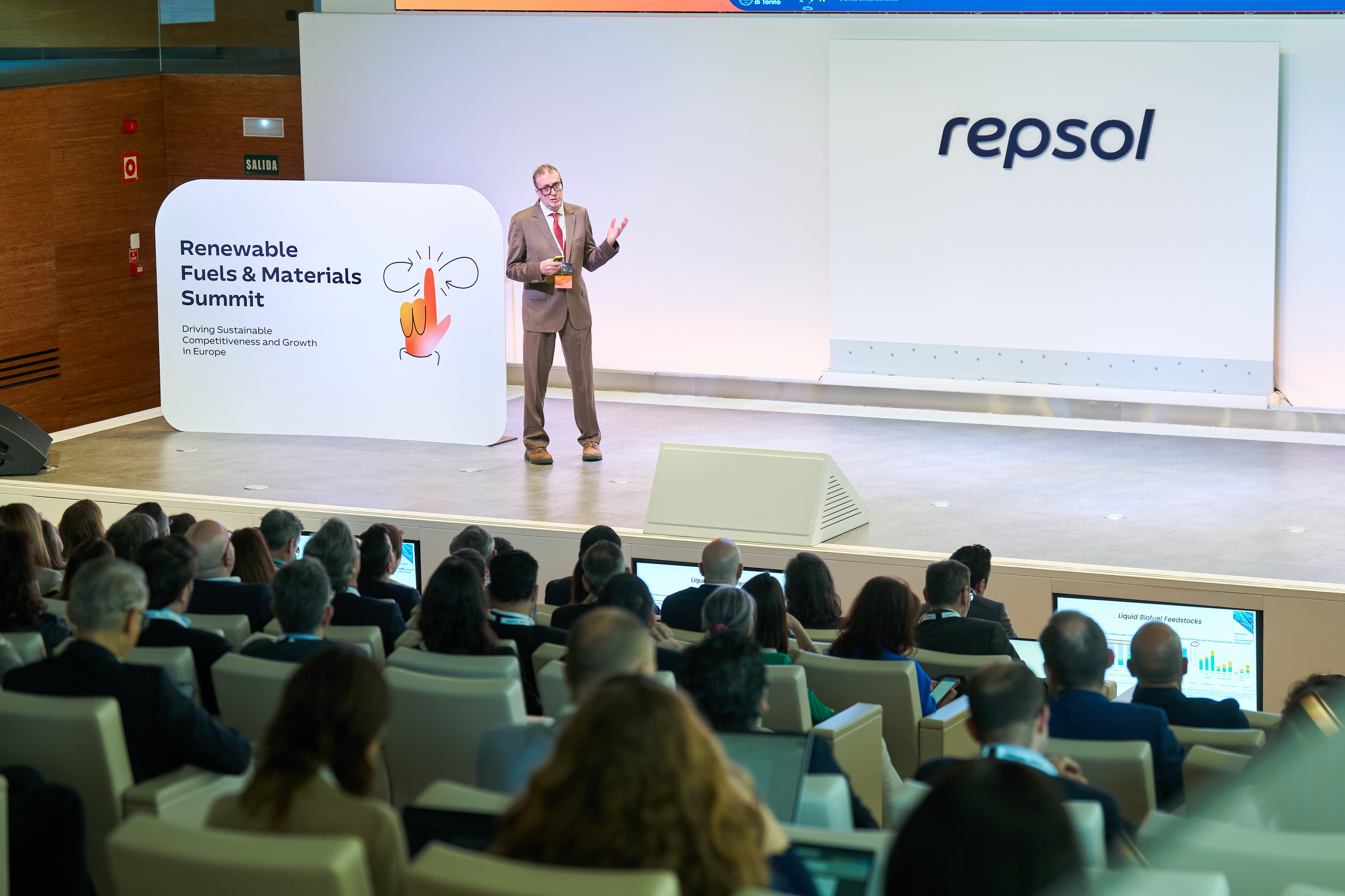
In this context, the contribution of David Chiaramonti (Polititecnico di Torino), Chair of the CEM Biofuture Platform Initiative, helped deepen the discussion by shifting the focus towards the systemic role of renewable fuels and sustainable carbon in the transition. His intervention explored how biofuels and biomaterials could contribute not only to decarbonising transport and industry, but also to strengthening energy security and enabling new economic opportunities at both European and global levels.
Chiaramonti emphasised that the transition cannot rely solely on reducing emissions, but requires a broader rethinking of carbon itself. He argued that sustainable carbon sources, including bio-based, recycled, and captured carbon, are essential to replace fossil inputs, particularly in sectors such as chemicals, where carbon remains a structural element. His presentation highlighted how the development of integrated value chains, alongside innovations in the bioeconomy and carbon removal, could help bridge the economic gap that still limits the large-scale deployment of advanced biofuels.
A significant part of his analysis addressed the European dimension, noting that sufficient sustainable biomass resources were projected to be available in the coming decades, but that the real challenge lay in mobilising these resources effectively. He raised critical questions about whether current policies and market conditions were aligned with long-term decarbonisation targets, particularly in sectors such as sustainable aviation fuels, where deployment still lags behind ambitions. The intervention also extended to the international level through the experience of the Biofuture Platform, underlining the importance of global cooperation in setting standards, sharing best practices, and creating enabling policy frameworks.
Overall, the summit demonstrated how deeply intertwined technological innovation, policy design, and economic viability have become in the energy transition. By the end of the event, it was clear that achieving climate neutrality would require not only new solutions, but also a more integrated vision capable of connecting sectors, value chains, and international efforts into a coherent strategy.